
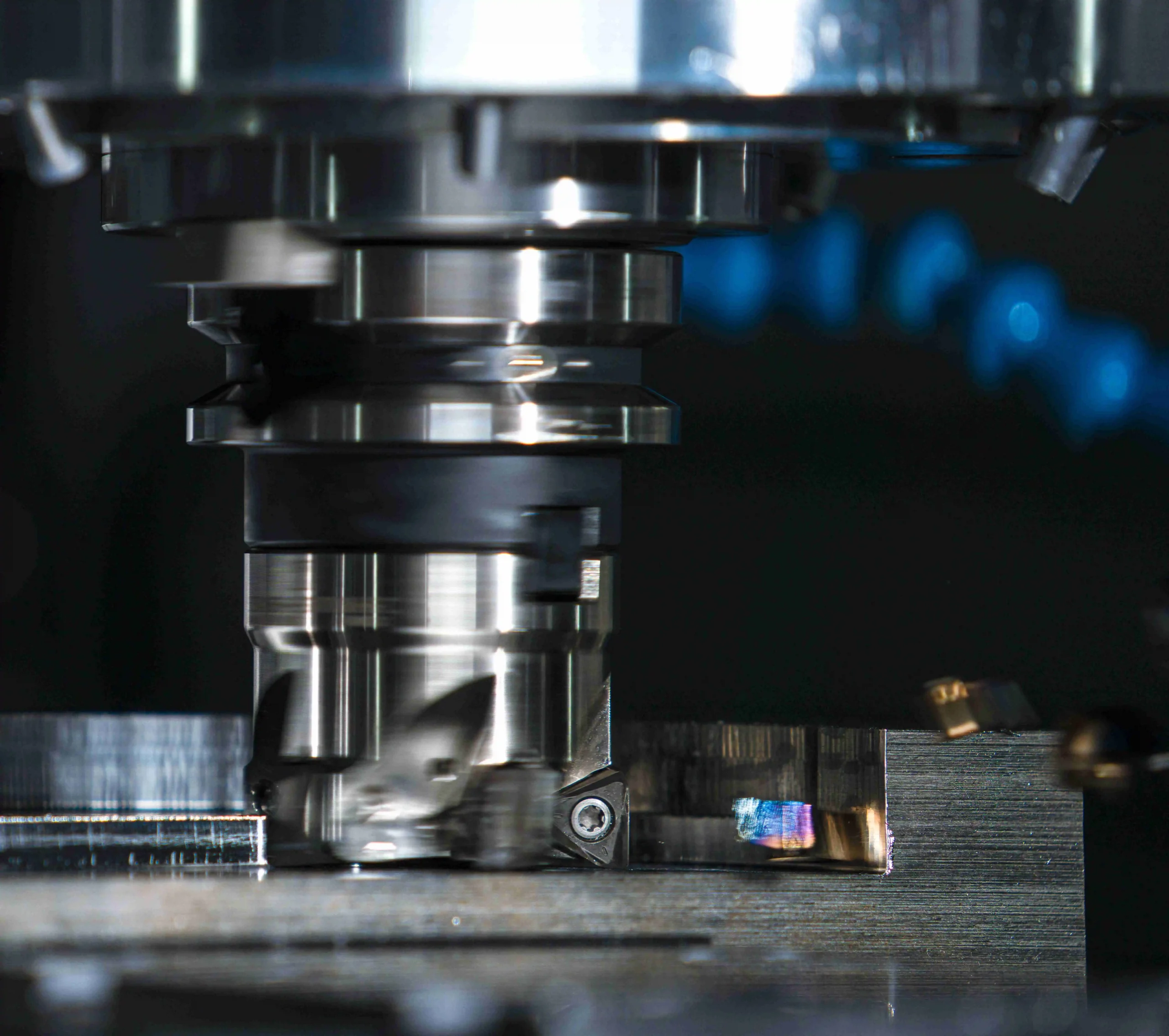
In today’s industrial landscape, contract metal fabrication has become a strategic solution for manufacturers and engineering firms looking to produce high-quality metal components without investing directly in complex production facilities. Working with a specialized manufacturing partner provides access to technical expertise, advanced technologies, and certified production processes, helping businesses improve efficiency and remain competitive.
In this article, we’ll explore what contract metal fabrication is, the benefits it offers manufacturers and engineering firms, how to choose the right production partner, and the latest innovations shaping the industry.
What Is Contract Metal Fabrication?
Definition and Industry Importance
Contract metal fabrication refers to outsourcing the production of metal components or specific manufacturing processes to a specialized company. This approach allows businesses to focus on their core operations while relying on an experienced manufacturing partner to transform engineering designs into finished components that meet high quality standards.
By combining advanced manufacturing technologies with skilled technicians, contract metal fabrication ensures precision, consistent production quality, and the flexibility to meet a wide range of project requirements.
Common metal fabrication services
Companies specializing in contract metal fabrication typically offer a comprehensive range of manufacturing services, including:
- Laser cutting for producing highly accurate components, even with complex geometries.
- Sheet metal stamping for efficient, high-volume production of metal parts.
- Sheet metal bending to create custom shapes tailored to specific design requirements.
- TIG and MIG welding for strong, reliable metal assemblies.
- Metal blanking (stamping) for the fast and precise production of metal components.
- Tooling and die manufacturing to develop customized production solutions.
The ability to integrate multiple manufacturing processes within a single production workflow is a significant advantage for both manufacturers and engineering teams.
Benefits of Contract Metal Fabrication for Manufacturers and Engineering Firms
Contract metal fabrication offers numerous advantages for manufacturing companies as well as engineering firms involved in product development.
Higher quality and greater customization
Partnering with a specialized manufacturer means gaining access to state-of-the-art equipment, experienced personnel, and optimized production processes. This makes it possible to manufacture customized metal components while maintaining consistently high quality standards, even for complex projects.
The ability to tailor every manufacturing process to the specific requirements of a project provides a valuable competitive advantage across a wide range of industrial sectors.
Lower costs and increased productivity
Outsourcing metal fabrication reduces the need for investment in machinery, equipment, and maintenance, converting many fixed costs into variable operating expenses.
Specialized manufacturers can also streamline production schedules, optimize workflows, and meet delivery deadlines more efficiently, ultimately improving overall productivity.
Production flexibility and engineering support
One of the key advantages of contract manufacturing is the ability to quickly scale production according to customer needs, whether for small production runs or large-volume manufacturing.
For engineering firms, working with an experienced fabrication partner provides valuable support during the product industrialization phase through continuous collaboration with specialists in metal manufacturing processes.
How to choose the right contract metal fabrication partner
Selecting the right supplier has a direct impact on both the quality of the finished product and the efficiency of the entire manufacturing process.
Experience, expertise, and certifications
When evaluating potential partners, it’s important to look for companies with proven industry experience, advanced manufacturing equipment, and certified quality management systems, such as ISO 9001 certification.
These factors demonstrate reliability, manufacturing precision, and consistent production performance.
Technology and production capabilities
A qualified manufacturing partner should be able to provide a complete range of integrated metal fabrication services, from tooling design through laser cutting, stamping, bending, welding, and final assembly or packaging.
The adoption of Industry 4.0 technologies and automated production systems further improves manufacturing accuracy, traceability, and production efficiency while reducing lead times.
Innovation and emerging trends in metal fabrication
The metal fabrication industry continues to evolve through the adoption of increasingly advanced manufacturing technologies.
Industry 4.0 and automation
Automation, digital manufacturing systems, and high-performance machinery now enable manufacturers to achieve greater precision, reduce material waste, and improve production efficiency.
Companies that invest in innovation can deliver greater reliability, shorter lead times, and consistently high product quality.
Future opportunities for manufacturers and engineering firms
For manufacturers and engineering firms, partnering with a specialized contract metal fabrication company makes it possible to develop innovative products without the significant capital investment required for in-house production facilities.
Working with qualified manufacturing partners also accelerates product development, ensures consistently high quality standards, and helps businesses remain competitive in an increasingly demanding market.
The strategic value of contract metal fabrication
Contract metal fabrication is a strategic solution for manufacturers and engineering firms seeking to combine quality, flexibility, and competitiveness. Partnering with a specialized manufacturer provides access to advanced technologies, proven expertise, and efficient production processes that optimize lead times, costs, and the quality of finished metal components.
Choosing an experienced manufacturing partner with strong production capabilities and a commitment to innovation ensures reliable support throughout the entire production process from engineering and tooling to the delivery of the finished product.